Safari tourism is one of the most effective conservation funding mechanisms in Africa: park entry fees, conservancy fees, and lodge revenue fund anti-poaching patrols, habitat protection, and community programmes that give local populations a direct financial stake in keeping wildlife — and the land it depends on — alive.
How Do Park Fees Fund Anti-Poaching?
National park and reserve entry fees across East and Southern Africa go directly toward ranger salaries, anti-poaching patrols, and habitat management. In many parks, tourism revenue is the primary — sometimes the only — funding source for these operations.
How Do Kenya's Private Conservancies Fund Conservation?
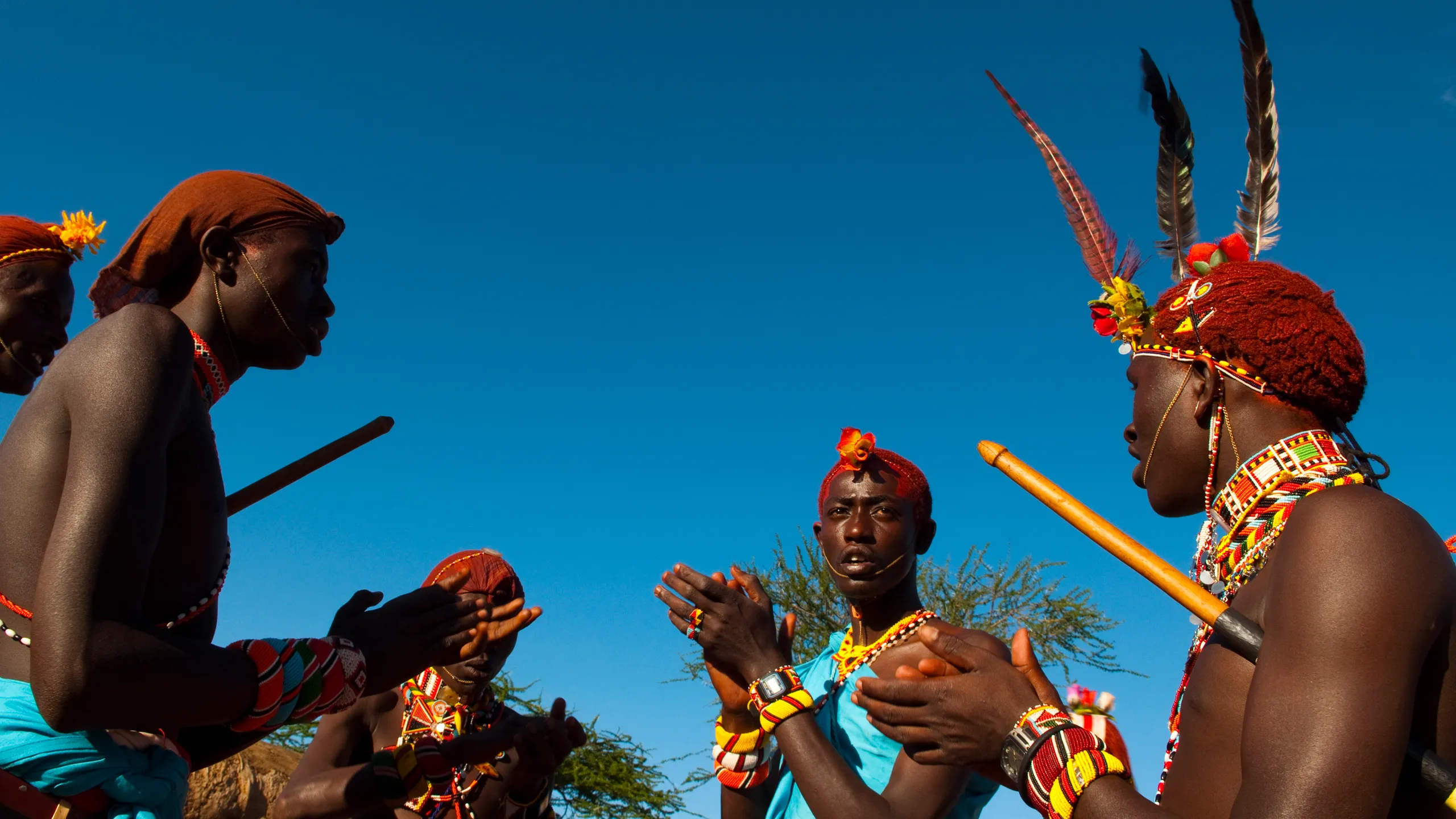
Kenya's private conservancies, particularly around the Masai Mara and Laikipia, operate on a model where landowning communities lease grazing land to tourism operators in exchange for guaranteed income — regardless of livestock prices or drought. This gives communities a direct financial incentive to keep land wild rather than converting it to farming or unsustainable grazing, and it's widely credited with expanding wildlife habitat well beyond official park boundaries.
How Does Botswana's Tourism Model Support Conservation?
Botswana takes a different approach: a deliberately limited number of high-value camps rather than mass tourism, particularly around the Okavango Delta. Fewer visitors mean less habitat pressure, while premium rates still generate substantial conservation funding — a model increasingly studied by other conservation-focused destinations.
What Does This Mean for Travellers Choosing a Safari?
Choosing a well-managed camp or reserve isn't just an ethical preference — it's a direct, practical contribution to conservation funding. Parks and conservancies with strong, consistent tourism revenue are demonstrably better resourced to protect the wildlife you're travelling to see.
We work with camps, conservancies, and operators who take this seriously. Read more about how we choose our partners, or start planning a trip that supports the places you're visiting.